Basic Sampling Equipment
1).Sample Bags
|
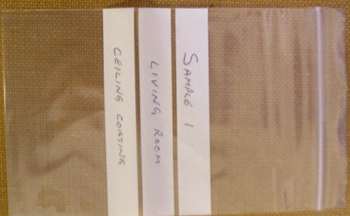
The most practical type of sampling bag to use. Snap top with printed white stripes that can be easily written on. (Sealable sandwich bags make a serviceable alternative, however they cannot easily be written on so the use of a sticky white label is advised) Don’t forget to place the bag containing the sample inside a second bag. |
|
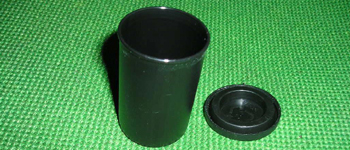
A very practical alternative to polythene bags. 35mm film canisters remain relatively easy to obtain. A visit to any film processing shop (e.g. Boots the Chemist) will usually result in you being able to walk away with a handful of old containers, free of charge. Apply sticky white labels to the canisters before starting the sampling work so that they can be uniquely identified as soon as the sampling is done. The top can be sealed with tape before sending to the laboratory. The canister(s) must be placed inside a second, sealable, container before sending to the laboratory |
2).Stanley Knife
|
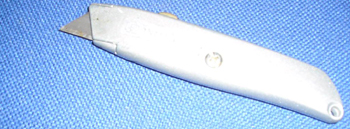
When collecting samples of vinyl flooring material, use a sharp edged tool (e.g. Stanley knife or wood chisel) to cut off a section, ideally about the size of a 50p piece. “Tip” : It is important that the sample includes a reasonable amount of adhesive residue on the reverse side. This is because asbestos may be present in the vinyl, the adhesive or both. If no, or only a small amount, of adhesive is present, ensure that an additional quantity is collected and added to the sample. |
3).Pliers
|
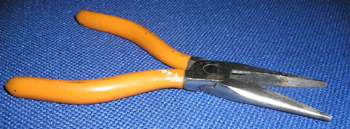
Perfect for collecting samples from products such as cement sheet. Note that in this photograph the serrations on the jaws of the pliers have been ground off. This significantly reduces the possibility of cross contamination, as residue from sampling cannot collect in serrations, and the jaws are easy to wipe clean. |
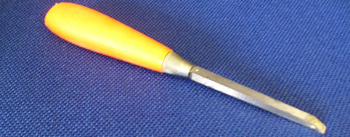
4).Wood chisel
|
5).Aerosol spray
|
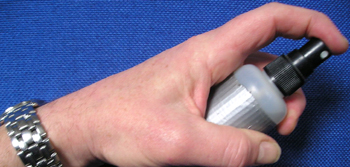
A small spray bottle, as typically supplied for hair gel (or similar), is ideal for producing an aerosol spray of water or water/PVA mix on to sampling points before and/or after sampling |
6).Adhesive spray
|
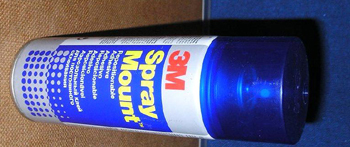
Application of an adhesive spray, such as the one shown, is the perfect way to provide an effective seal over an area where sampling has been carried out. |
7).Coring tools
|
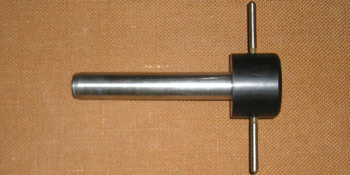
Proprietary coring tools are available suitable for collecting samples from asbestos lagging on pipework etc. If there is no immediate access to such equipment, a useful alternative is a simple piece of copper or steel tubing. A sharp edge can be created using a file and a hole drilled through the top can provide an insertion point for a screwdriver to be employed as a lever. |
8).Wet wipes
9).Masks
|
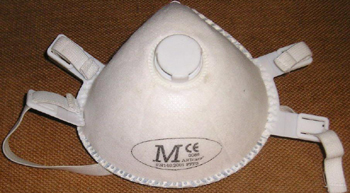
In amongst the numbers/letters printed on disposable dust masks may be found the series FFP 1, FFP 2 or FFP3. These refer to the protection factor of the masks when properly fitted. FFP 3 masks have the highest protection factor for disposable masks. For asbestos use a minimum of FFP 2 should be employed. |
10).Disposable overalls
|
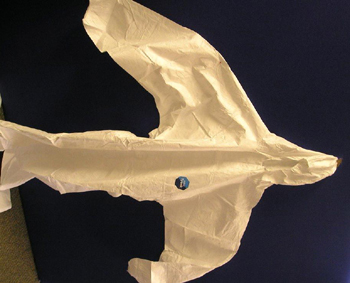
Disposable overalls may be obtained from any normal DIY store |
11).Disposable gloves
|
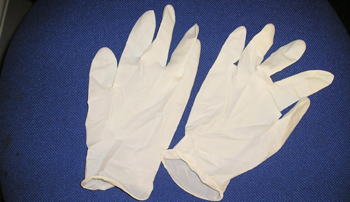
If there is no convenient source of laboratory style disposable rubber gloves, the gloves supplied for diesel fuel customers at petrol stations, or washing-up gloves, make suitable alternatives. |